Everyday culture & hospitality
Moldovan culture blends influences from neighbouring Romania, Ukraine and other parts of Eastern Europe, yet it remains distinct. Hospitality plays a central role – guests are often welcomed with food and home‑made wine, and it is common for meals to last several hours.
Typical Moldovan flavours
- Plăcintă – pastries filled with cheese, potatoes, cabbage or apples.
- Sarmale – cabbage rolls filled with rice and meat, often served with sour cream.
- Mămăligă – a cornmeal dish similar to polenta, traditionally served with cheese and stews.
Representative festive table with local food – royalty‑free image via Unsplash.
Music, dance & crafts
- Live folk bands with violins, accordions and drums at festivals and weddings.
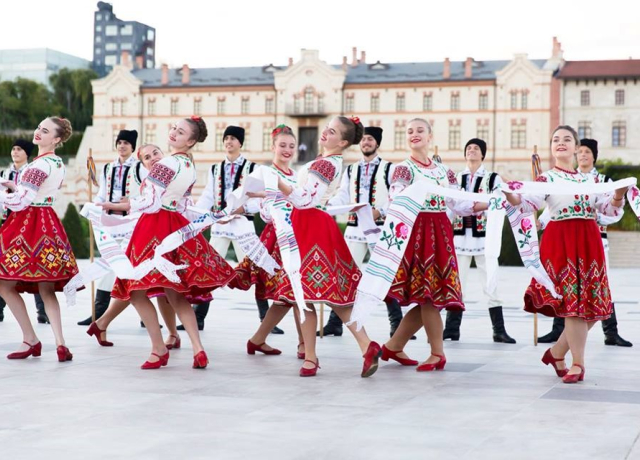
- Circle dances at celebrations, where guests are invited to join in.
- Hand‑made embroidery, carved wood and ceramics sold at markets.
Festivals & seasonal events
Exact dates change each year, but visitors commonly look out for the following types of events when planning a trip:
National Wine Day
Usually held in October, this major event celebrates the new wine season with tastings, concerts and food stalls, often centred around Chișinău and nearby wineries.
City days & local fairs
Many towns and villages have their own celebration day with live music, street food, crafts and fireworks. These offer a very direct way to see local traditions.
Religious holidays
Easter and Christmas are widely observed. Visitors may see processions, special church services and family gatherings if staying in villages at this time.
How to be a respectful visitor
In churches & monasteries
- Dress modestly, with shoulders and knees covered where possible.
- Speak quietly and avoid flash photography unless clearly allowed.
- Follow any instructions from staff, guides or signs.
When invited into homes
- It is polite to remove shoes if your hosts do so.
- Small gifts such as sweets or fruit are usually appreciated.
- Refusing food can be seen as unfriendly, so try at least a small taste.
These are general guidelines – every family is different. Observing what locals do and asking simple questions is the best approach.